Cultural Tapestry of Farewell: Traditions, Community, and Honor in Indian Farewell Rites
Wiki Article
Across the vast and diverse landscape of India, cultural practices surrounding the final farewell of a community member stand as a timeless testament to community devotion. In every corner of the subcontinent, the traditions associated with honoring an individual's earthly chapter are rich with regional artistry, historical significance, and intricate social customs. Far from viewing departure with isolated sorrow, these customs serve as a vital cultural bridge, reinforcing family bonds, strengthening neighborhood networks, and preserving ancestral etiquette. Dead Body Transportation in Delhi Traditional communities in India meet this final transition with a unique blend of communal togetherness and structured ritualism. Across both historic towns and modern neighborhoods, the collective gathering of relatives, neighbors, and friends forms the cornerstone of every ceremonial proceeding. This social tradition provides a supportive atmosphere allowing society to express gratitude, care for grieving households, and pass on oral histories. The immediate hours following a person's passing are spent in thoughtful, dignified preparation. Family members gather to perform traditional preparation rituals preserved within family lines. The individual is adorned in clean, elegant garments that reflect regional dress customs. Simple white clothing remains the classic preference, representing equality, calm reverence, and timeless grace. Among various ethnic lineages, traditional textiles featuring intricate patterns or specific cultural colors are used to mark a life full of accomplishment and honor. Fragrant floral arrangements play an irreplaceable role in these preparations. Fresh garlands crafted from bright orange marigolds, sweet-scented jasmine, pristine lotus blossoms, and colorful roses are carefully arranged around the individual. These floral decorations are far more than aesthetic adornments; they highlight the continuous beauty of life and family devotion. The gentle application of aromatic sandalwood paste, natural rosewater, and traditional herbal essences ensures an environment of supreme dignity, freshness, and cultural charm. One of the most visually striking and culturally significant aspects in regional subcontinental customs is the organized neighborhood procession from the household to the local ceremonial grounds. Referred to as a collective march of respect, this movement through public space transforms private grief into a shared community event. Community members, distant relatives, and lifelong friends assemble in front of the family home, garbed in white garments of respect to demonstrate solidarity and visual harmony. The rested individual is borne on a handmade platform crafted from sturdy local bamboo, decorated with fresh foliage and bright flowers. As the procession moves through the streets, participants share the responsibility of bearing the weight. This hands-on participation represents a meaningful tradition of communal respect, symbolizing that no family carries the weight of a farewell alone. Across numerous localities, the gentle chiming of bells and melodic flutes enhances the journey, offering a graceful auditory backdrop that announces the passing of a respected community member to the surrounding neighborhood. India's immense cultural diversity manifests clearly in the local variations that mark each district's traditional customs. While core values of respect and community remain universal, the visual and artistic details differ wonderfully across different climatic, geographic, and cultural zones. Following the primary ceremonial rites, family life shifts into a structured phase of quiet reflection, observed over nearly two weeks. During this timeframe, the family home becomes an open sanctuary for neighbors, extended family lines, and well-wishers who arrive to offer support, food, and companionship. Receiving guests with warmth remains a top priority. Wholesome vegetarian dishes are cooked continuously to serve all guests who arrive to honor the family. This tradition of sharing meals fosters deep emotional connection, provides an opportunity to recount cherished personal stories, allowing the neighborhood to take care of all domestic chores for the family. The closing of the formal hosting phase features a generous community gathering. Senior relatives recount the person's life history, good deeds, and values, ensuring that their oral history is transmitted to younger generations. Acts of charitable giving—such as donating clothing to community members, distributing food to those in need, or supporting local educational initiatives—are organized as a meaningful tribute, reinforcing the value of community service and social responsibility.
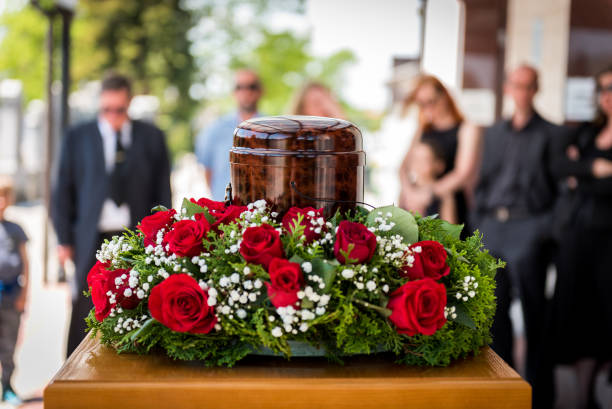
The Aesthetics of Preparation and Family Devotion
The White Procession: Community Solidarity in Motion
Cultural Feature
Traditional Medium
Cultural Significance
Attire
Unadorned White Textiles
Symbolizes social equality, peace, and community unity.
Palanquin Frame
Natural Bamboo and Rattan
Demonstrates local craft and eco-friendly design.
Garlands
Fresh Marigolds, Lotus, and Roses
Expresses high regard, warmth, and artistic beauty.
Aromatics
Sandalwood Paste and Rosewater
Offers a fresh, dignified atmosphere.
Regional Expressions of Honor
Wilson Garden Electric Crematorium Whether the final resting customs involve traditional earthen burials or ceremonial fire arrangements, the focus remains steadfastly on the cultural heritage of restoring balance with the surrounding natural world in a manner that honors the land and traditional environmental philosophy.
Gatherings of Remembrance and Community Care
Final Reflections: Honor, Artistry, and Unity
Harishchandra Ghat Electric Crematorium These subcontinental customs demonstrate a beautiful example of social values, artistic traditions, and profound community solidarity. Through turning a time of loss into an honorable display of community unity, these practices highlight the power of family bonds and social networks. Through beautiful floral arrangements, white-clad processions, regional artistry, and generous hospitality, this heritage celebrates the completed life of every member while fortifying the enduring bonds of the community for generations to come.